
University of Tasmania Inveresk Library
Seven integrated carpets bring the cultural landscape of Kanamaluka into the University of Tasmania’s Inveresk Library, embedding Palawa knowledge and connection within a shared place of learning and exchange.

LEAD ARTIST ● DIGITAL ILLUSTRATION, SURFACE DESIGN & PUBLIC ART ● LAUNCESTON, TASMANIA ● 2021-22
This commission brought me back to a place I knew intimately. I grew up in Launceston alongside the Kanamaluka/Tamar River, and later studied at the University of Tasmania. Returning as an artist offered an opportunity to carry that relationship with Country into the university’s new Inveresk Library.
I wanted our community to see themselves here. The riverbanks were places of teaching and learning long before there was a university. Our Old People gathered food and cultural resources here, sustaining their lives and passing knowledge between generations. My intention was to embed that continuing connection in the building itself, where Palawa students, staff and community could encounter it in everyday life.
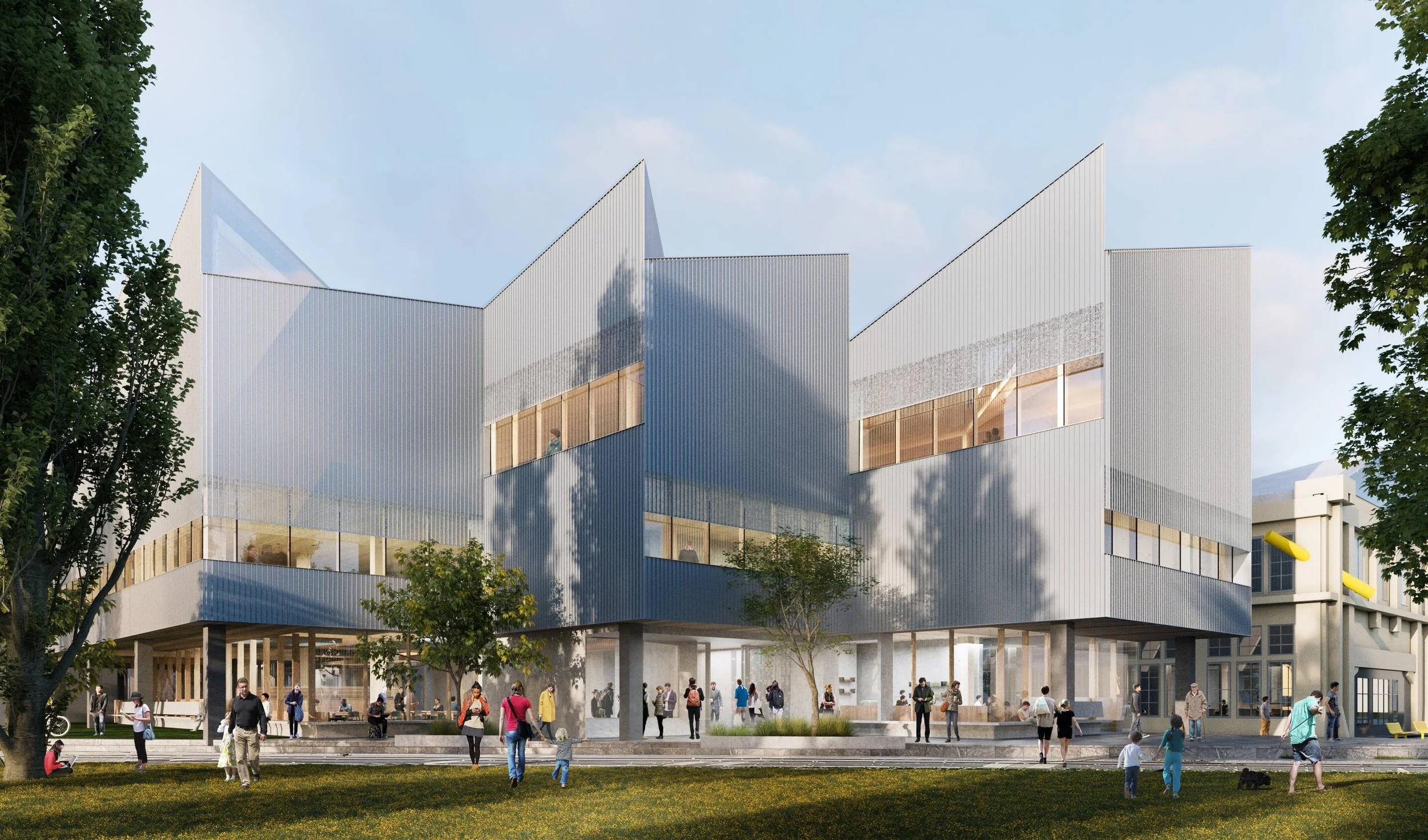
THE COMMISSION
I was selected through an open call for Tasmanian Aboriginal artists and designers, coordinated by Arts Tasmania on behalf of the University of Tasmania. This became my first public art commission and one of many more to come.
The brief was to bring the outside in: connecting the building to its surrounding cultural landscape and the natural materials chosen for its interior. As the artist, I developed the concepts, undertook research and consulted with the project stakeholders through to final artwork approval and the handover of production files. I worked with the University, Arts Tasmania, John Wardle Architects and Shaw Contract to develop seven carpets for spaces across three levels.
RESEARCH ON COUNTRY
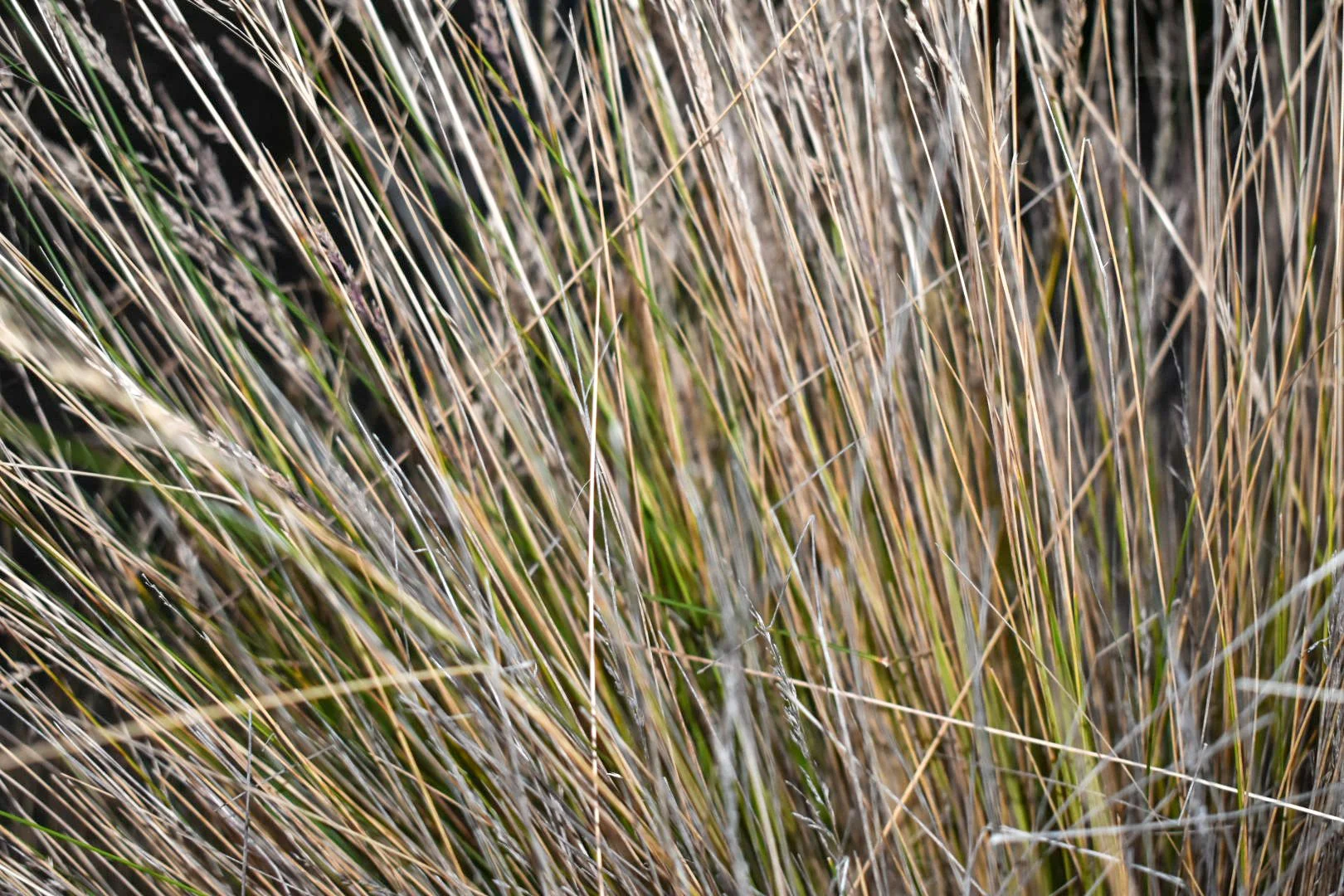
Over several months, I returned to Kanamaluka with a camera, photographing the waterway from different vantage points. I watched the colour of the water shift with light and weather, the wetlands change with the seasons, and patterns emerge as wind moved across the surface.
This was also time spent considering the lives of our Old People before the invasion of their homelands: gathering along the riverbanks and drawing on the resources that sustained them. Those reflections shaped the stories within the work.
From the photographs and observations, I developed a palette grounded in Country that also responded to the building’s material palette. I considered the purpose of each space and how its carpet could connect the people using it to the waterway outside.
FROM DRAWING TO FABRICATION
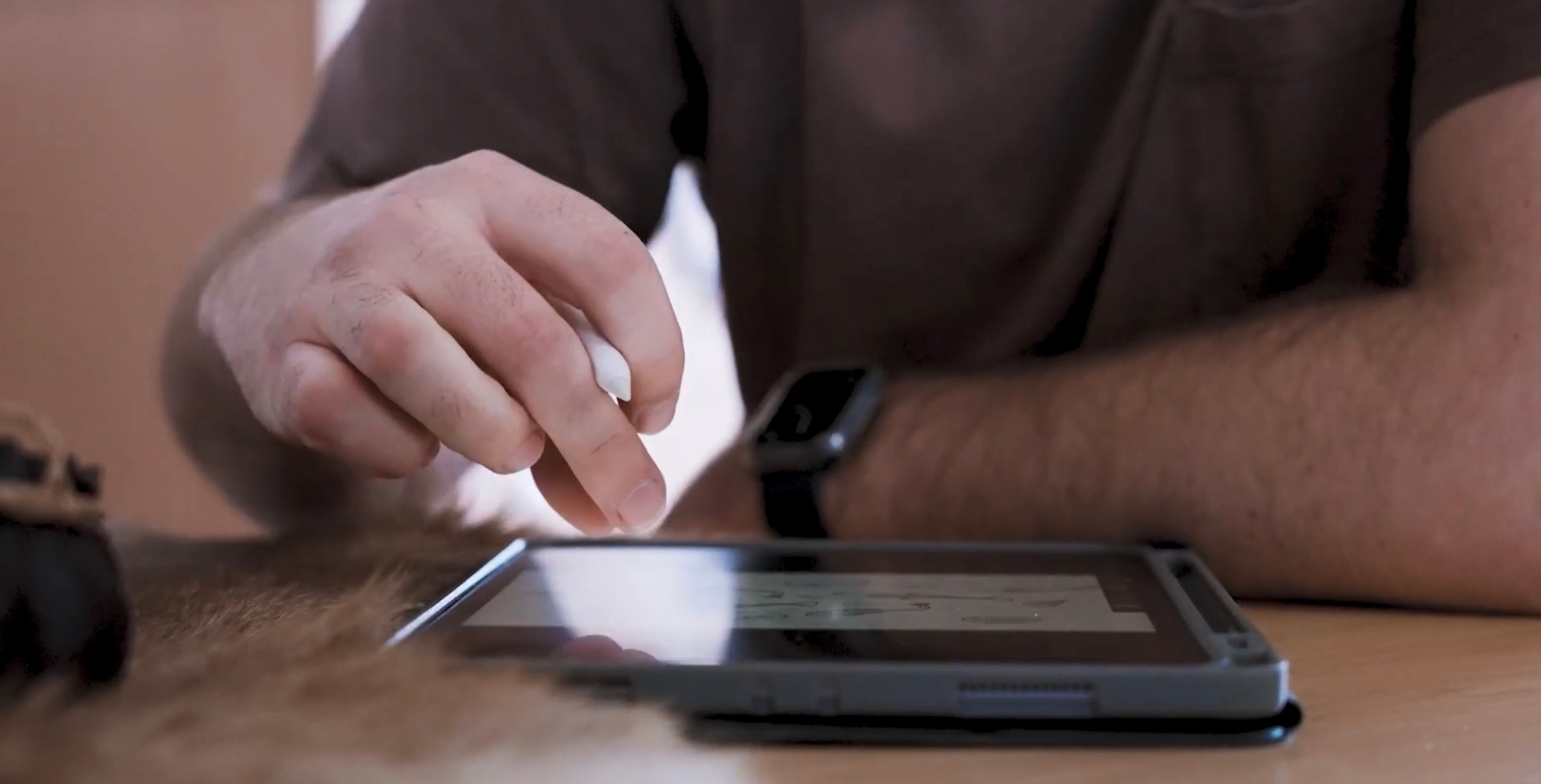
I began drawing in Procreate on an 11-inch iPad, using the architectural renders to consider how each composition would sit within its intended space. I exported the designs at 1:10 scale and redrew them as vector artwork in Adobe Illustrator, preparing the files for production at full size.
The largest carpet spans 15 metres. Translating a drawing from a small screen to that scale required careful attention to how the forms would read within the building. A line that felt resolved on the iPad needed to hold its presence across a much larger surface.
Shaw Contract produced physical samples in Georgia, in the United States, for the project team to review. We refined the thickness of the reed forms and made minor colour adjustments before approving the designs for fabrication. This sampling stage allowed us to assess how the digital artwork translated into the carpet material.
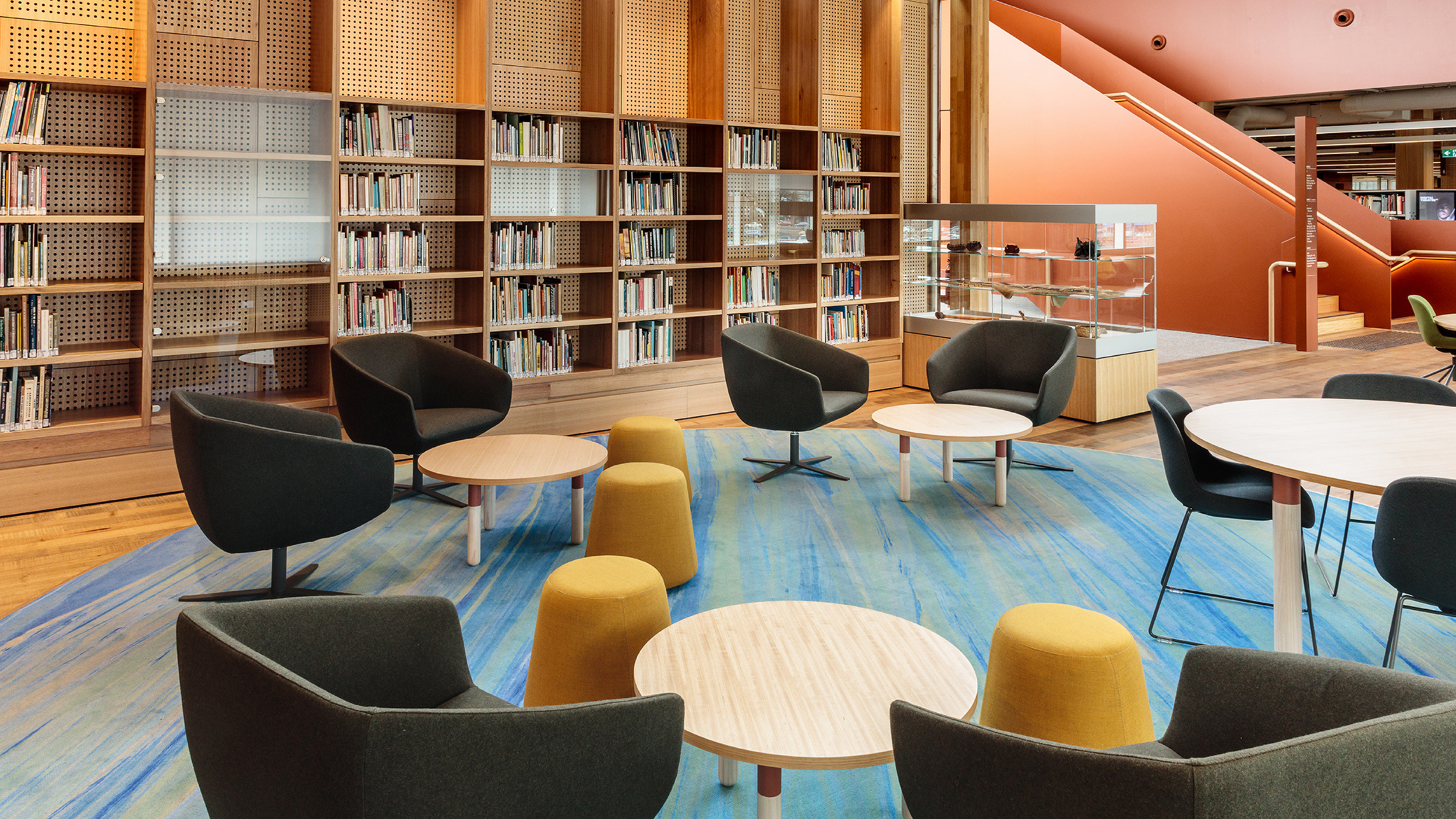
COUNTRY ACROSS THREE LEVELS
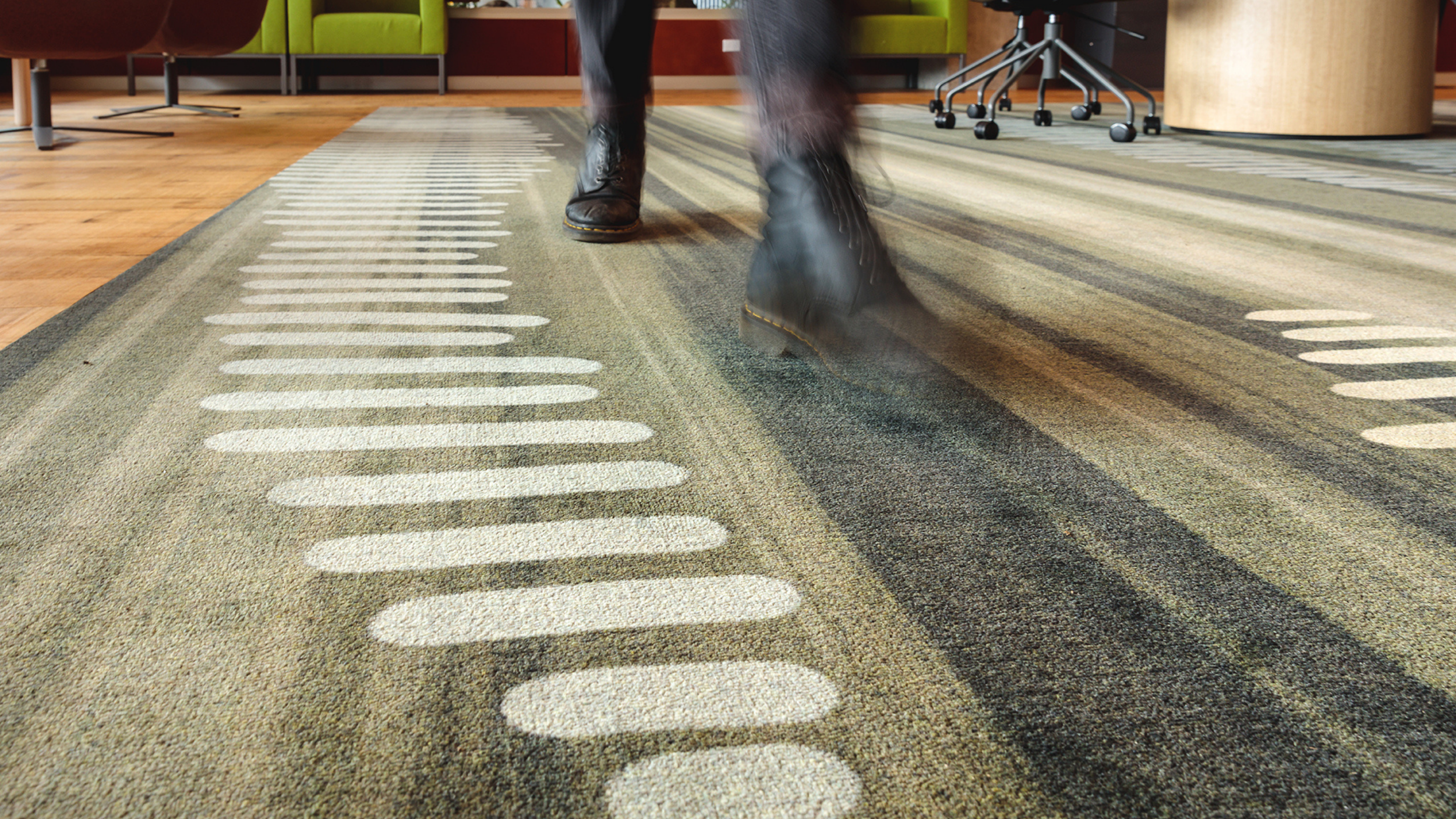
On the ground level, Wetlands I and Wetlands II draw on the reeds and greenery surrounding kanamaluka. Covering much of this level, they establish a connection to Country as people enter, inviting reflection on place and memory.
On the middle level, Muka sits within the Riawunna Collection area, a space for First Nations knowledge and exchange. The work connects to the saltwater at the mouth of Kanamaluka, where the women go to gather shells for kanalaritja, our shell necklaces. Its placement brings an ongoing cultural practice into a space where knowledge is held and shared.
On the upper level, Kanamaluka I, II and III use colour and smudged marks to reflect on the environmental damage to the waterway since occupation. I wanted the artworks to acknowledge this condition as part of the river’s story. Their position among the library collection is deliberate: this is knowledge that needs to be known and shared.
Flats continues this reflection through layered colour and smudged marks. It draws on the exposed mudflats and my concern for a river whose natural flow has been altered.
AN ONGOING CULTURAL PRESENCE
Construction and international freight delays extended the timeline, but the carpets were installed in time for the building’s official opening.
After installation, students, staff and alumni approached me to share what the work meant to them. Aboriginal students told me they felt seen and welcomed, and that the space made the university feel less intimidating. These conversations spoke directly to what I had hoped the commission could offer.
For me, seeing the work installed strengthened my commitment to embedding our culture and knowledge within built environments. The carpets give that presence a scale that is hard to overlook, placing it within the daily experience of a building used for learning. They carry a relationship with Country into the institution and make space for our community within it.
PROJECT CREDITS
Artist:
Caleb Nichols-Mansell
Client:
University of Tasmania
Project Team:
Catherine Wolfhagen, Arts Tasmania
Caine Chennatt, University of Tasmania
Amanda Moore, John Wardle Architects
Rhianon McGregor, Shaw Contract.
This commission was made possible through the Tasmanian Government’s Public Art Scheme, managed by Arts Tasmania.
Photography by Kelly Slater for the University of Tasmania.